Skinny Chevron Digital Paper: A Practical Guide for Designers and Crafters
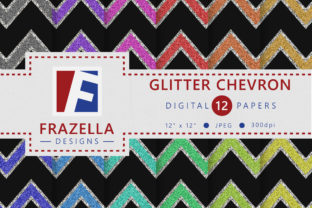
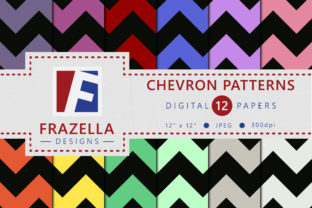
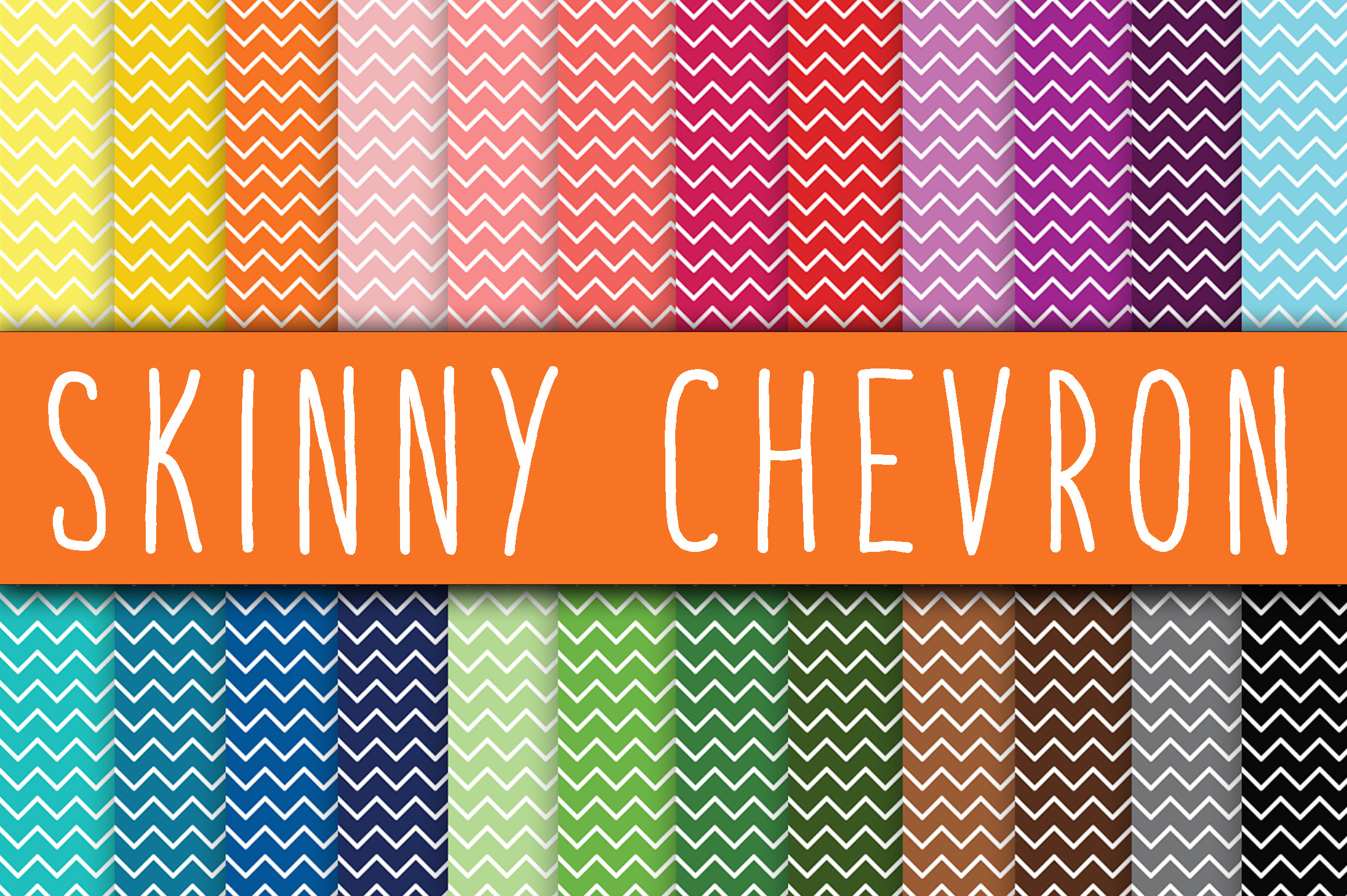
Skinny Chevron Digital Paper refers to a curated set of high-resolution, 12×12 inch digital patterned papers featuring a narrow, repeating chevron motif. Unlike traditional chevron patterns—often bold and wide—skinny chevron uses thinner lines and tighter spacing, resulting in a more subtle, modern, and versatile visual rhythm. Each paper is delivered as a JPEG file at 300 dpi, optimized for both screen use and professional print output. The standard bundle includes 24 unique variations, differing in color combinations, contrast levels, and background tones while maintaining consistent line weight and alignment.
How Skinny Chevron Differs From Other Chevron Patterns
The defining trait of skinny chevron lies in proportion and density. Standard chevron patterns often use lines ⅛–¼ inch thick with peak-to-peak spacing that dominates the frame—ideal for statement backdrops or textile-inspired layouts. In contrast, skinny chevron typically features lines under 1/16 inch thick and tighter repetition, allowing the pattern to recede slightly, supporting rather than competing with layered elements like photos, typography, or hand-lettering.
This distinction matters most in applications where visual hierarchy is critical. For example, in wedding invitation suites, a full-width standard chevron might overwhelm delicate script fonts or floral illustrations. A skinny chevron, however, provides texture and movement without sacrificing legibility or elegance. Similarly, in digital scrapbooking, where users frequently overlay multiple transparent elements, the subtlety of skinny chevron helps maintain clarity across complex compositions.
Comparing Formats: JPEG vs. PNG vs. Vector
The Skinny Chevron Digital Paper collection is delivered as JPEG files—a practical choice for many users but one worth evaluating against alternatives. JPEGs offer small file sizes, universal compatibility, and excellent print fidelity at 300 dpi. They work seamlessly in Photoshop, Canva, Silhouette Studio, Cricut Design Space, and most desktop publishing tools. However, they lack transparency: each paper has a solid background (white, cream, charcoal, etc.), which means you can’t easily layer it over colored shapes or gradients without visible edges unless you manually mask or crop.
If your workflow relies heavily on transparent overlays—for instance, creating custom social media templates or layered SVG cut files—PNG versions would provide more flexibility. Vector formats (like SVG or AI) would allow infinite scaling and precise path editing, useful for laser-cutting projects or logo integration. But those formats demand more technical familiarity and aren’t always necessary for common uses like printable cards or photo collages. For most crafters and hobbyist designers, JPEG strikes a realistic balance between usability, quality, and accessibility.
Use Cases Where Skinny Chevron Digital Paper Excels
Skinny Chevron Digital Paper shines in contexts that benefit from quiet sophistication and consistent rhythm. Here are several well-matched applications:
- Scrapbooking and Memory Keeping: Its fine scale complements detailed photo clusters and journaling blocks without visually crowding the page. It also pairs well with mixed-media elements like vellum overlays or stitched borders.
- Card Making (Digital & Hybrid): When designing printable greeting cards, skinny chevron adds polish to panels, frames, or backgrounds—especially when combined with foil accents or embossed textures in physical production.
- Wedding Stationery: From save-the-dates to menu cards and thank-you notes, the pattern offers continuity across suites while feeling contemporary—not retro or overly thematic. Light-toned variants (e.g., blush on ivory or sage on oat) align well with current palette trends.
- Digital Planners and Organizers: Because the lines are narrow and evenly spaced, skinny chevron works effectively as subtle section dividers or tab backgrounds without causing visual fatigue during extended screen use.
- Web and Social Graphics: While not intended for web-only use (JPEGs aren’t responsive by default), resized and optimized versions serve well as branded story highlights, Pinterest pins, or email newsletter backgrounds—particularly when aligned with a cohesive color system.
When Another Option Might Be a Better Fit
Skinny Chevron Digital Paper isn’t universally optimal. Consider alternatives if any of these apply:
- You need seamless tiling across large-format prints (e.g., wall decals or fabric mockups). JPEGs in this collection are designed as discrete 12×12 sheets—not tileable repeats—so edge matching requires manual adjustment.
- Your project demands monochrome flexibility. While many sets include grayscale options, some rely on saturated hues that may not convert cleanly to single-color printing (e.g., letterpress or foil stamping). In those cases, a dedicated grayscale or duotone chevron pack may offer more control.
- You’re building reusable design systems—like Canva brand kits or Figma libraries—where editable layers, variables, or component-based assets streamline iteration. Static JPEGs require re-importing and resizing for each variation, whereas layered PSDs or vector templates support faster adaptation.
- You’re working with non-standard dimensions (e.g., 5×7 invitations or 8.5×11 planners). Though scalable, JPEGs lose sharpness if stretched beyond ~120% of original size. For highly customized sizing, vector-based chevron resources or pattern-generating tools may offer more precision.
What You Actually Get—and What That Means Practically
The stated package—24 JPEG files, 12×12 inches, 300 dpi—is straightforward, but its implications matter. Twenty-four papers provide meaningful variety without overwhelming choice: enough to support multi-page projects (like a 16-page wedding program or a full digital planner) while keeping organization manageable. The uniform resolution ensures consistency across outputs—if you print one page on matte cardstock and another on glossy photo paper, color and detail will remain predictable.
It’s also worth noting what’s not included: no commercial license by default (check individual seller terms), no alternate file formats, and no pre-designed templates. That doesn’t diminish value—it clarifies scope. This is a foundational resource, not an all-in-one solution. Users who prefer turnkey designs may want supplemental template packs; those comfortable building layouts from scratch will appreciate the clean, uncluttered starting point.
Making an Informed Choice
Deciding whether Skinny Chevron Digital Paper suits your needs depends less on trend appeal and more on alignment with your process, tools, and goals. Ask yourself:
- Do I primarily create printable or hybrid projects where texture and cohesion matter more than interactivity or scalability?
- Is my software environment optimized for importing and resizing JPEGs—or do I regularly adjust transparency, paths, or layers?
- Do I value a focused, cohesive aesthetic over maximal variety? (24 coordinated papers reflect intentional curation—not randomness.)
- Am I comfortable managing digital assets manually, or do I rely on automated workflows that require specific formats or naming conventions?
If the first two answers lean toward “yes” and the last two don’t raise concerns, Skinny Chevron Digital Paper is likely a strong candidate. If not, exploring tileable vectors, transparent PNG bundles, or color-customizable pattern generators may better match your constraints.
A Final Note on Long-Term Utility
Digital paper collections age differently than physical supplies. A well-organized JPEG library remains usable for years across software updates—as long as file standards remain stable (and JPEG is deeply entrenched). Unlike plugins or subscription-based design tools, there’s no dependency on ongoing access or compatibility patches. That durability supports thoughtful investment: when chosen deliberately, Skinny Chevron Digital Paper becomes part of a reliable, reusable toolkit—not a fleeting resource.